
Fonseca falls in Buenos Aires and exits as defending champion: pressure, self-criticism and a draw wide open
The Argentina Open delivered one of its most significant storylines of the week: defending champion João Fonseca has been eliminated in the round of 16. The Brazilian fell to Alejandro Tabilo 6-3, 3-6, 7-5 in a match that was intense, fluctuating and ultimately revealing more than just a single defeat. It highlighted the weight of defending a title for the first time.
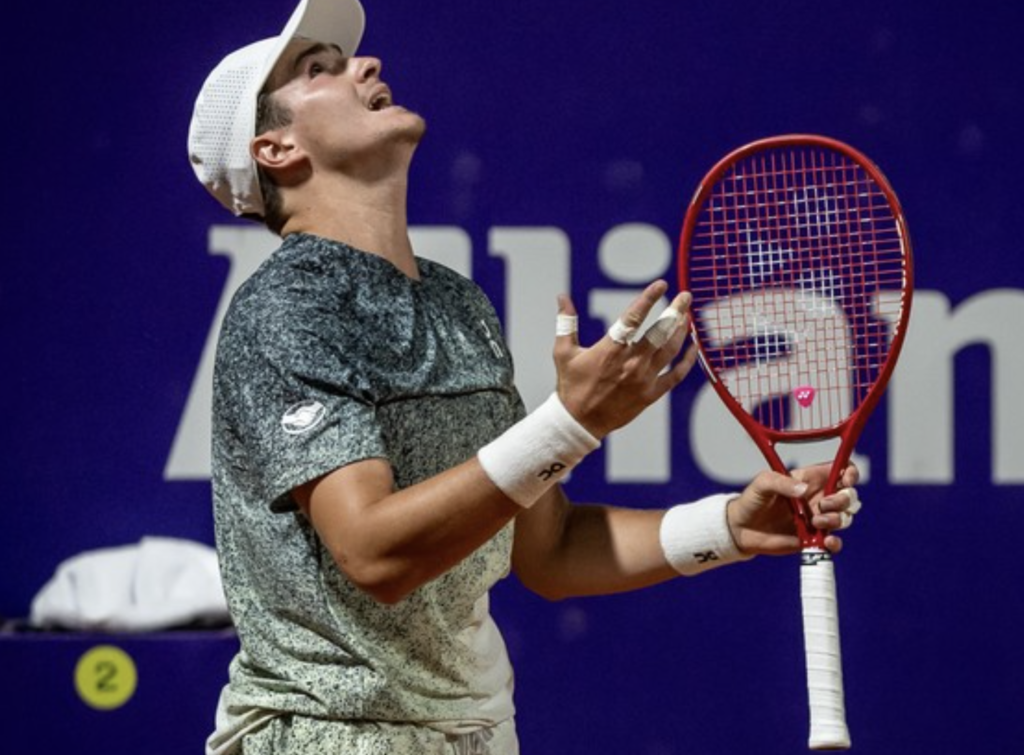
Fonseca did not hide from that reality. In his post-match comments, he acknowledged that pressure played a role and admitted that, in the decisive moments, he lacked the conviction needed to close the contest. The self-assessment was direct and free of excuses — a notable sign of maturity for a young player already accustomed to growing media attention.
A match decided by margins and nerves. Fonseca falls in Buenos Aires and exits
The encounter unfolded in clear phases. In the opening set, Tabilo imposed depth and variation, disrupting Fonseca’s rhythm with changes of height and well-managed rallies. The Chilean avoided predictable exchanges and forced the Brazilian to adjust constantly.
Fonseca responded strongly in the second set. He raised his intensity, stepped closer to the baseline and dictated play with greater aggression. His forehand found sharper angles, and he appeared more comfortable controlling tempo.
But the deciding set told a different story — one often seen in tightly contested ATP matches. With the score close and tension escalating, execution in key moments became decisive. Tabilo remained composed, taking calculated risks when necessary. Fonseca, meanwhile, struggled to maintain clarity under pressure. At 5-5, small lapses proved costly, and the final 7-5 scoreline reflected that emotional and tactical difference.
The challenge of defending for the first time
Defending a title is rarely simple — particularly when it is the first of a player’s career. Fonseca arrived in Buenos Aires carrying the memory of last year’s breakthrough triumph. This time, however, the dynamic was different.
He was no longer the emerging surprise. He was the defending champion.
That shift alters both external and internal expectations. The crowd anticipates consistency. Opponents approach the match with freedom and nothing to lose. And the player himself often feels the implicit responsibility to “protect” something.
Fonseca acknowledged as much. He admitted that pressure was present and that it influenced his decision-making in crucial passages. It was not a collapse or a poor performance. It was, rather, a match where mental management carried equal weight to shot-making.
Credit to Tabilo’s execution
Tabilo’s victory deserves full recognition. The Chilean crafted a smart tactical plan. Instead of engaging Fonseca in pure baseline speed, he disrupted patterns, varied trajectories and controlled exchanges with patience.
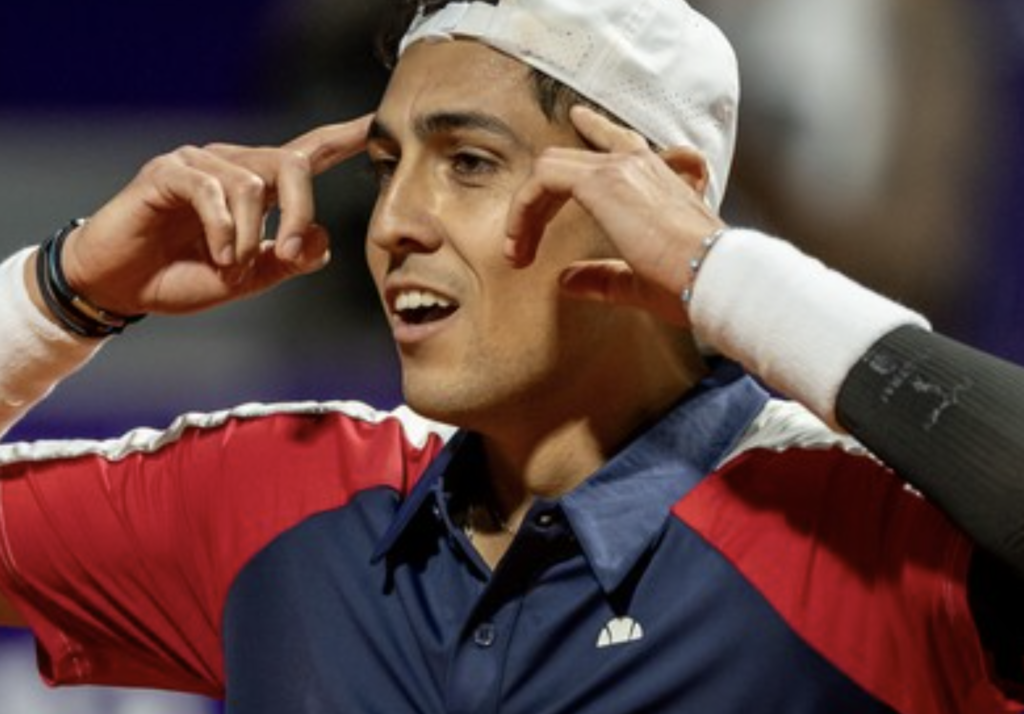
In the third set, his composure stood out. Winning in Buenos Aires against the defending champion — in a stadium emotionally invested in the occasion — requires clarity. Tabilo found it.
His approach underscores an important reality in professional tennis: upsetting a higher-profile opponent is rarely about brilliance alone. It is about discipline, structure and timing.
A draw reshaped
Fonseca’s early exit significantly reshapes this section of the draw. As defending champion, he occupied a psychological and structural position within the tournament. His elimination opens space for new contenders — including several Argentine players eager to capitalize on home momentum.
The Argentina Open is known for early-round volatility, but the departure of its reigning champion recalibrates expectations. The path to the title now appears more unpredictable, and the competitive balance shifts accordingly.
More than a defeat
For Fonseca, this loss does not signal regression. It represents part of the developmental arc that comes with a new competitive status. Transitioning from breakthrough champion to defending title-holder involves adapting not just technically, but emotionally.
His candid self-criticism is revealing. Recognizing pressure and assuming responsibility without dramatizing the outcome suggests growth. In the long term, that awareness may prove more valuable than a single additional win.
The Argentina Open loses its defending champion, but it gains a broader narrative: the evolution of a young player learning to navigate the other side of success. In professional tennis, managing that transition can be as critical as lifting the trophy itself.