
The 2026 Dallas Open final is set, and it delivers exactly what American tennis hoped for: a high-stakes, all-American clash between Taylor Fritz and Ben Shelton. The two highest-ranked U.S. players on the ATP Tour will battle for the ATP 500 title in what has quickly become one of the most significant indoor events on the American calendar.
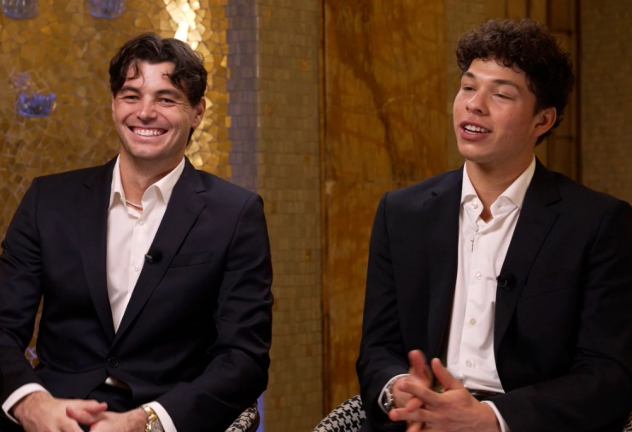
Dallas Open Final 2026: Taylor Fritz vs Ben Shelton Sets Up All-American Showdown at ATP 500
Beyond the trophy, this match carries broader implications. Dallas guarantees a home champion in a tournament that continues to grow in prestige, and the final functions as a measuring stick for the current state of American men’s tennis. Fritz enters as the established leader in terms of ranking and week-to-week consistency. Shelton arrives as the explosive contender, capable of shifting momentum in an instant.
How They Reached the Dallas Open Final 2026
Both semifinal matches were decided by the thinnest of margins, reinforcing the level required to lift an ATP 500 title.
Taylor Fritz Edges Marin Cilic in a Tie-Break Battle
Fritz defeated Marin Cilic 7-6(5), 7-6(3) in a semifinal dominated by serve and razor-thin margins. The American fired 22 aces and showcased elite composure in both tie-breaks — often the defining moments in fast indoor conditions.
After the match, Fritz emphasized a key mental detail: staying calm to serve better. That mindset proved decisive. On indoor hard courts, where free points off the serve carry enormous weight, maintaining clarity under pressure separates contenders from champions.
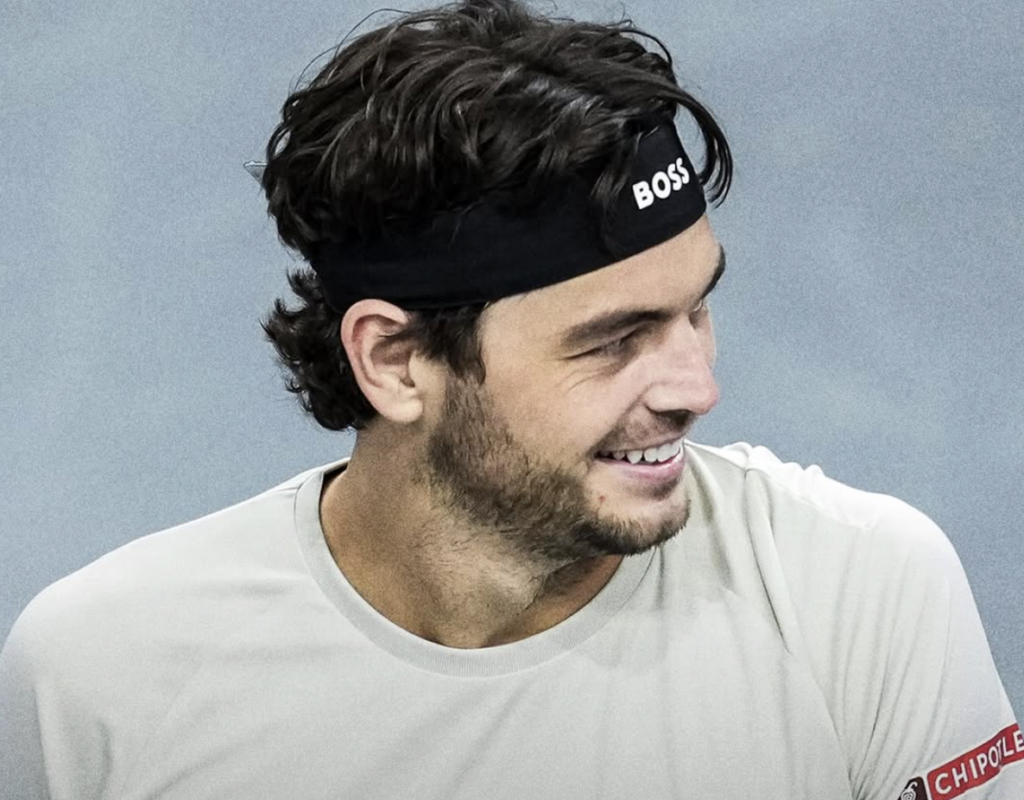
Cilic tested him with depth and experience, but Fritz’s ability to elevate his focus during critical points ensured a straight-sets win.
Ben Shelton Survives Denis Shapovalov in Three-Set Thriller
On the other side, Ben Shelton produced one of his most mature performances to defeat defending champion Denis Shapovalov 4-6, 6-4, 7-6(4). The match required tactical flexibility and emotional control.
Shelton adjusted intelligently after dropping the first set. He varied heights, attacked the net more frequently, and disrupted Shapovalov’s rhythm — a critical shift in a matchup where both players thrive on acceleration.
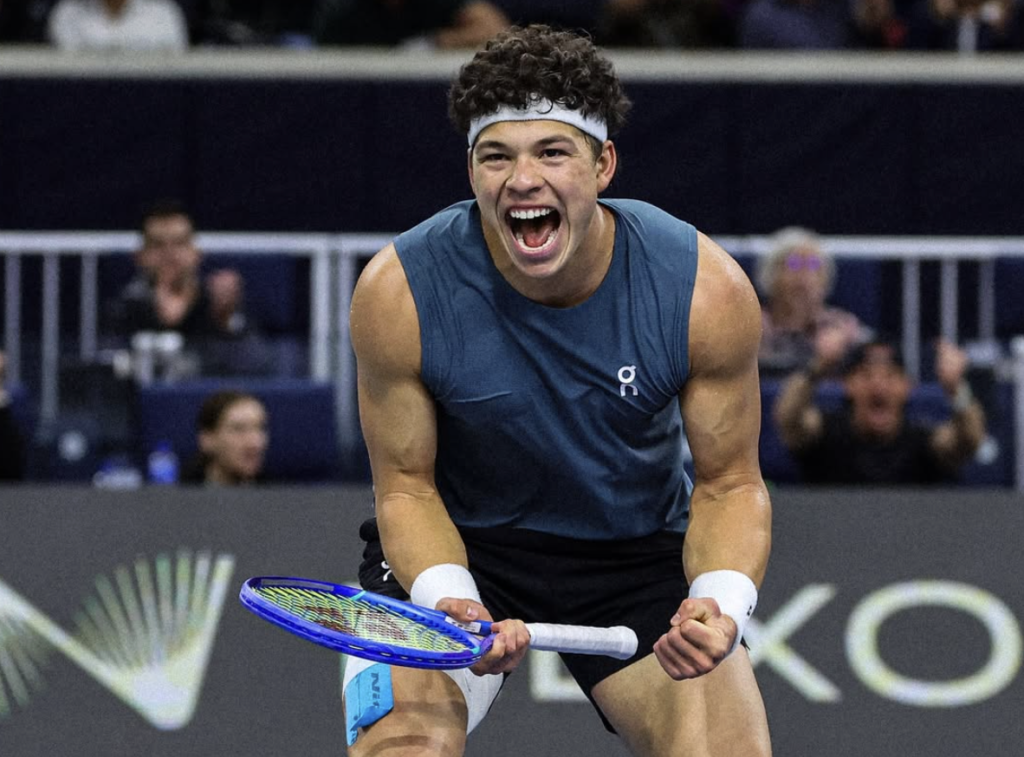
The defining statistic tells the story: Shelton saved 10 of 11 break points. In high-pressure indoor matches, that level of clutch serving reflects not only power, but mental resilience.
What’s at Stake in the Dallas Open Final
This final extends beyond Dallas. It represents a defining moment within American tennis.
Fritz is playing his first ATP final on home soil in this category, adding emotional weight to the occasion. Shelton, meanwhile, seeks to prove that his explosive, high-risk game can consistently deliver titles at the ATP 500 level.
For U.S. tennis, this is more than an individual battle. It reinforces depth at the top of the rankings — something the American circuit has been steadily rebuilding.
Tactical Keys: Fritz vs Shelton
1. Serve and First-Strike Tennis
Indoor hard courts in Dallas reward aggressive first-strike patterns. Fritz enters after a semifinal featuring 22 aces. Shelton’s left-handed serve creates immediate angles and opens space for his forehand.
If both players maintain high first-serve percentages, this match could feature multiple tie-breaks. Break opportunities may be rare, and efficiency in short exchanges will be crucial.
2. Fritz’s Return Stability vs Shelton’s Shot-Making Volatility
Fritz is generally the steadier returner. His ability to block serves back into play and neutralize power can extend rallies into structured baseline exchanges.
The challenge? Shelton doesn’t just hit hard — he improvises. He can accelerate from awkward positions and inject pace without full balance. If Shelton dictates early in points, Fritz will be forced into reactive patterns.
3. Net Play and Transitions
One of Shelton’s key adjustments against Shapovalov was his increased net presence. If he replicates that strategy, he may shorten points and prevent Fritz from settling into his heavy forehand rhythm from the baseline.
Fritz, on the other hand, tends to prefer structured construction. If rallies extend beyond three or four shots, his consistency becomes an asset.
Momentum vs Stability
Fritz arrives with signs of durability and control. When physically sharp, his combination of serve, forehand, and mental steadiness makes him a legitimate contender in any indoor event.
Shelton, however, carries emotional momentum. Eliminating the defending champion in a high-pressure semifinal can free a younger player mentally. Often, the “hardest” match in a tournament is the semifinal — and Shelton already passed that test.
More Than a Trophy
The 2026 Dallas Open final guarantees an American champion, but it also clarifies internal hierarchy.
Is Fritz the stable leader who can consistently convert strong weeks into titles?
Or is Shelton ready to transform his explosive talent into sustained success at the highest levels?
With both semifinal performances signaling peak competitive readiness, the stage is set for a final defined by power, precision, and composure under pressure.
In a tour where margins are minimal, the player who manages key moments — particularly tie-breaks and break points — will not only lift the Dallas trophy, but also strengthen his claim within the evolving narrative of American men’s tennis.