
March 2006.
Roger Federer wasn’t just dominating the tour. He was ruling it.
He had been world No. 1 for over two years, had won six of the previous nine Grand Slams, and on hard courts he felt untouchable. He arrived in Dubai riding a 56-match winning streak on the surface. Finals weren’t tense occasions for him back then. They were routine.
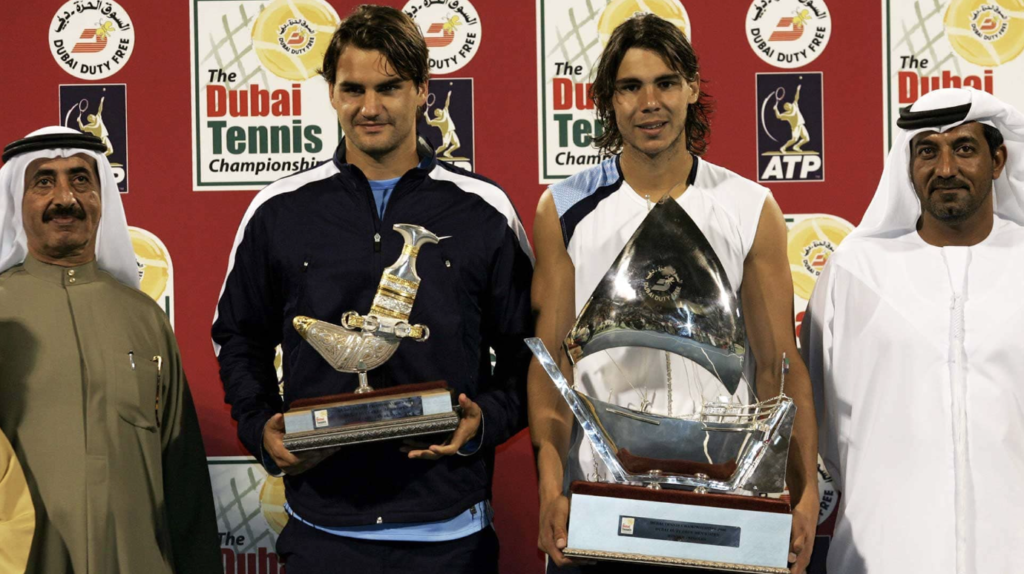
The Day Nadal Started to Trouble Federer. GETTYIMAGES
This was supposed to be another one.
Across the net stood a 19-year-old still labeled a clay-court specialist.
Rafael Nadal.
And yet, something about the matchup didn’t quite fit the script.
Not Just Another Final. The Day Nadal Started to Trouble Federer
Nadal wasn’t even coming in at full strength. He had missed three months with a foot injury and Dubai was only his second tournament back.
On paper, this should have tilted everything further in Federer’s favor.
Except for one detail that lingered in the background: Nadal had already beaten him twice in their first three meetings.
It wasn’t random.
There was something about the left-handed spin, the physical resistance, the refusal to miss under pressure that unsettled Federer more than most opponents ever had.
Still, this was hard court. This was Federer territory.
The First Set Followed the Script
Federer opened like the world No. 1 he was.
6–2.
Total control. Effortless rhythm. Clean winners off both wings. The kind of performance that had defined his reign.
It looked like the expected story: the best player in the world asserting order, the young challenger learning.
But Nadal was never built to stay in supporting roles for long.
Winning the Points That Matter
The second set wasn’t a statistical takeover from Nadal. Federer was still serving well. The rallies were tight. Nothing dramatic.
But at 4–4, Nadal shifted something subtle but decisive.
He extended points. He raised the spin higher to Federer’s backhand. He forced one extra ball. Then another. He didn’t overwhelm the match. He targeted the moment.
Break.
That was the first crack.
Federer was still playing well. But he was no longer comfortable.
And against Nadal, comfort is everything.
The Decisive Set and the Invisible Shift
The third set was pure tension. Long exchanges. Little margin. Neither player blinking.
At 4–4, Federer found himself with a forehand from a position he usually punished. In 2006, that ball almost always ended as a winner.
This time, it didn’t.
The miss opened the door.
Nadal stepped through it without hesitation.
6–4.
2–6, 6–4, 6–4.
He fell onto the court.
Nineteen years old. Fresh off injury. And he had just ended one of the most dominant hard-court streaks in modern tennis.
What Nadal Said
After the match, Nadal didn’t sound like someone announcing a new era.
He sounded relieved.
“It’s very special. After being injured for three months, it’s incredible for me. To play my second tournament and win it… I never imagined this.”
He acknowledged the hierarchy.
“He is the No. 1, the best without a doubt. Playing against Roger is always special.”
But sometimes change begins quietly.
Federer’s Reaction
Federer didn’t look shaken. He looked reflective.
“Rafa was better today. He deserved to win.”
Then came a line that, in hindsight, mattered more than it seemed at the time:
“When we play, I enjoy it. It’s a completely different style from mine.”
Different.
That word would define their rivalry.
More Than a Loss
This defeat didn’t dethrone Federer. It didn’t disrupt his dominance overnight.
But it introduced discomfort.
Until then, hard courts had been his sanctuary. Nadal proved he could invade it.
Not with sheer power.
Not with flashy shot-making.
But with relentless topspin to the backhand.
With physical endurance.
With the willingness to play one more ball than anyone else.
It was the first time Federer began to feel that there was a player who didn’t fit his patterns.
And when the world No. 1 stops feeling comfortable, the balance shifts.
The Beginning of Something Bigger
Forty matches would follow.
Epic Wimbledon finals.
Australian Open heartbreak.
Roland Garros dominance.
But the warning sign came in Dubai.
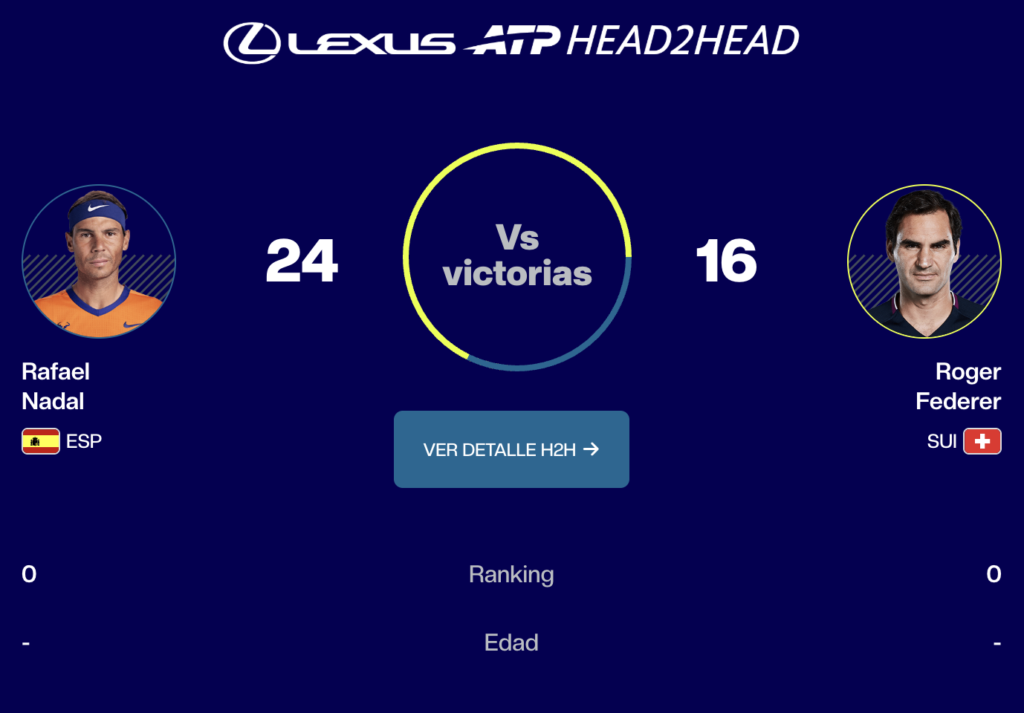
It wasn’t the most dramatic match of their rivalry.
It was the first time Federer realized this wasn’t just another opponent.
That day, Nadal didn’t just win a title.
He became the player who could unsettle the best in the world.